Mozambique says five citizens killed in S. Africa 'xenophobic attacks' / Photo: RODGER BOSCH - AFP
Mozambique said five of its nationals were killed in "xenophobic attacks" in South Africa at the weekend and efforts were underway Tuesday to repatriate hundreds of others.
The South African police however only confirmed two Mozambicans had died in violence in the southern coastal town of Mossel Bay, the first killings to be officially linked to a new wave of anti-migrant protests sweeping the country.
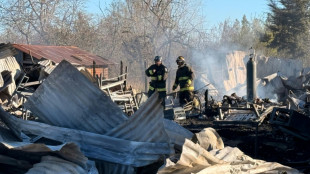
A South African teenager was also killed, police said, with reports that dozens of shacks were torched, some while people were still in them.
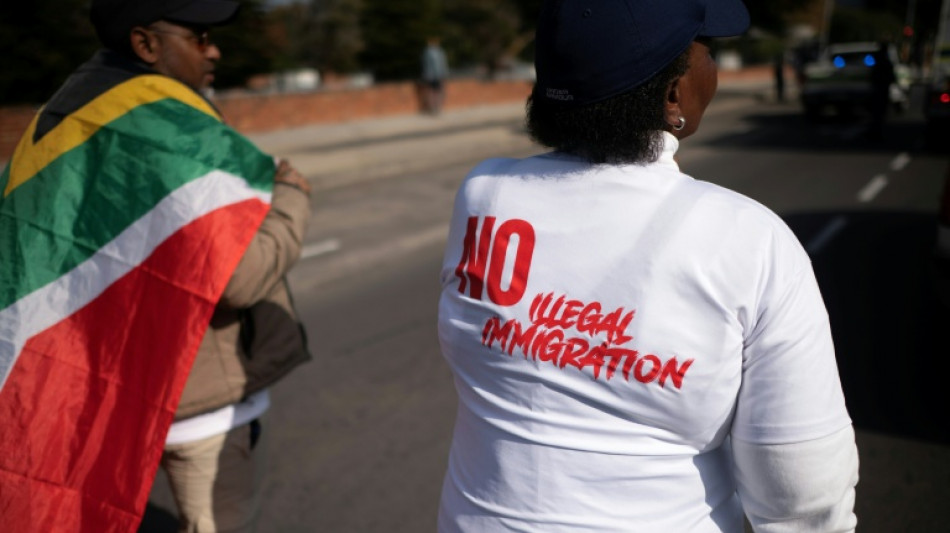
Protests against undocumented foreign nationals have been mounting in South Africa in recent weeks, leading Ghana to evacuate around 300 of its citizens last week, with Nigeria also announcing repatriations.
The Mozambique government's media office said in a statement late Monday that seven Mozambican citizens died after violence broke out on Friday in Mossel Bay, about 380 kilometres (235 miles) east of Cape Town.
Five deaths were "a direct consequence of the xenophobic attacks and the other two as a result of a road accident, when they were travelling in a private vehicle on their way back to Mozambique", it said.
But the South African police told AFP that only two Mozambique nationals, aged 27 and 43, were killed in an informal settlement attached to Mossel Bay, both from multiple injuries from assault.
In the early hours of Sunday, police in the same area found the body of an 18-year-old South African who had been stabbed to death in unclear circumstances, they said.
Mossel Bay mayor, Dirk Kotze, at the weekend voiced "deep concern and dismay at the current xenophobic attacks where people have been murdered, houses burned and families displaced".
- 'We are not safe' -
As the continent's most industrialised economy, South Africa has long been a destination for both legal and undocumented African workers who are accused by some fringe groups of crime and taking jobs from locals.
The national broadcaster SABC said tensions in Mossel Bay erupted over allegations that undocumented migrants were being employed by construction companies.
Around 55 shacks were torched, local media reported.
"We were still inside when people started burning down our house," Mozambican national Dolinda Mabunda was quoted as saying by the Mossel Bay Advertiser.
"I just took what I could and I ran," she said.
"I will go back (home) because we are not safe," a migrant named Silvino Chauque told the national broadcaster SABC, saying he had lost all his possessions in the unrest.
The Mozambique government said 300 Mozambican nationals had returned home on Saturday.
"The remaining just over 500 have since been sheltered in a safe location in the Western Cape Province, and as of... 1 June, the process of their repatriation to Mozambique is already underway," it said.
- June 30 'order' -
After one citizen-led organisation demanded that undocumented foreign nationals exit South Africa by June 30, there have been reports of vigilante groups checking the documentation of foreign nationals and forcing small businesses run by non-South Africans to close.
The action has no official backing and has been criticised by the authorities.
Last month several hundred foreign nationals from countries including the Democratic Republic of Congo, Rwanda and Somalia sought protection in the eastern port city of Durban, saying locals were going door-to-door to tell them to leave by the end of the month.
Several countries including Kenya, Malawi, Lesotho and Zimbabwe have meanwhile urged their citizens in South Africa to exercise caution.
South Africa has experienced repeated waves of xenophobic violence over the past decades. The latest spike comes as political parties seek support ahead of local government elections in November.
In 2008, 62 people -- including 21 South Africans -- were killed in anti-immigrant riots that also displaced thousands. Further outbreaks followed in 2015 and 2016.
E.Omar--CdE